


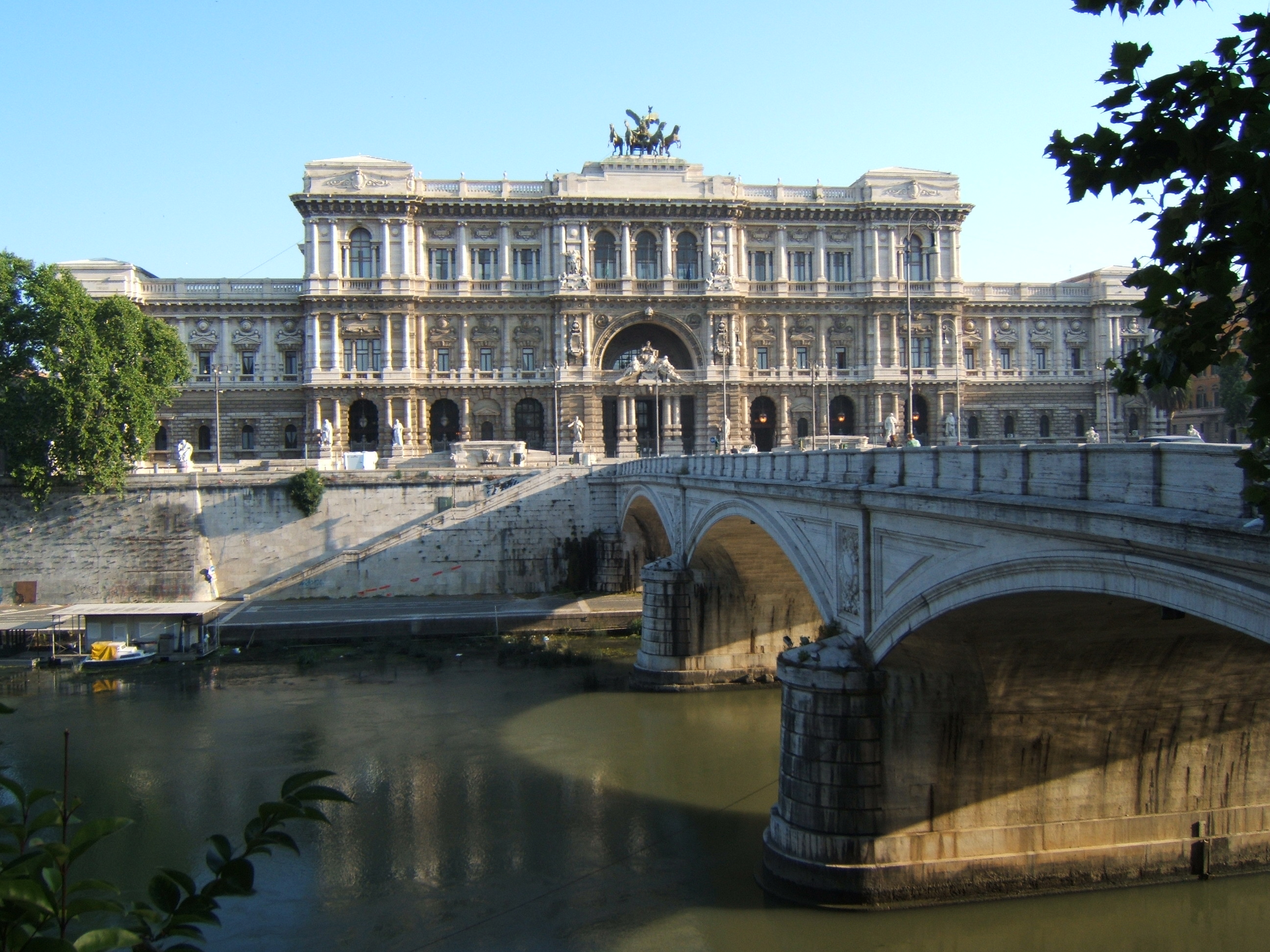
Supreme Court, Sec. III Civil , October 11 , 2013, n.23147 - ( Pres Russian - east . Carleo )
Conduct of the trial
With quote notified in January 1995 M.R.A. , Which is transported on a motor vehicle owned by the Renault Espace Sport Center snc, commenced proceedings against that company and its insurer , Assitalia and DG , Owner and driver of a Ford Escort car , and its insurer , Lloyd Italico Assicurazioni SpA , seeking an order to pay damages suffered in the car accident , which occurred between the two cars ' ... on the highway ... at the junction of the bypass input (omitted) .
Was called into question no . M.R. , Father of the actor, as the driver of the car Renault Espace , intervened voluntarily in court BP , Mother of the actor , which is also transported in the car Renault , in order to obtain compensation for damages, it also suffered as a result of the accident. Completion of technical expertise , judgment was interrupted by the death of the defendant G. . D. and then summed up against his heirs. Following the judgment the Court of Milan declared the corresponsablità in equal measure drivers of the two cars ; condemned DRH and P.R. , G. heirs of the deceased . D. and Lloyd Italico and N.. M.R. The Snc Sports Center and Assitalia , jointly and severally , to pay , in favor of MRA , The sum of € 1,404,227.35 and in favor of Fr . B. , The sum of € 109,391.77 plus interest at the weighted average rate of 5.84% on both the amounts left from the date of judgment , plus legal interest from this and the balance, after deducting in favor of Lloyd Italico Assicurazioni of prepayments actor , revalued in accordance with the indices Istat , from their payments to the judgment; placed against defendants jointly and severally liable for litigation costs .
Appealed against that decision to the Lloyd Italico and the proceedings were then assembled relative to the other appeal brought by Lloyd Italico and the proposed dall'Assitalia . Following the judgment , the Court of Appeal of Milan with judgment handed down on July 4, 2007 , in partial reform of the sentence , reduced to the maximum insured amount for each company to Euro 774,685.35 plus legal interest , the decree ordering solidarity in favor of MRA and Fr . B. , Stated that, taking into account the total sum of € 809,804.42 paid by Lloyd Italico in favor of MR and B. , The latter had nothing to expect from that company , taking into account the amount of € 1,633,413.96 and € 207,109.91 total paid to the same dall'Assitalia , condemned the MR and B. to return to the Spa Ina- as Assitalia respectively received more than they should , plus legal interest from its application to the balance , made up entirely between the parties the costs of litigation in the degree of appeal.
Against the said judgment M.R. filed an appeal to the Supreme Court , in the main, divided into nine grounds . They resist with defense Toro Assicurazioni SpA , incorporating the Lloyd Italico, and Ina Assitalia who proposed to turn cross-appeal , entrusting him at two and six grounds ; resist such appeals the incidental MR and Toro Assicurazioni.
He also proposed the use of B. , 9 in articulating reasons. They resist with defense Toro Assicurazioni SpA and Ina Assitalia who proposed to turn cross-appeal , entrusting him at two and six grounds ; resist such appeals incidental B. and Toro Assicurazioni. All parties eventually filed written statements.
Reasons for Decision
At the outset, it should be noted that the main action and incidental ones were gathered , as brought against the same judgment .
Analyzing the proceedings, brought by the MR and B. , Has to come complaints that the two applications offer similar content , which, for convenience of exposition, will be dealt with together.
That said, it should be noted that the first allegation , claiming a breach and misapplication of Articles . 2909 cc and 324 and 342 of the CPC, the plaintiffs alleged that the judgment under appeal in which the Court of Appeals has acted on one end of the judgment of the Court concerning the interest running from 1 .7.1990 , who did not rise to the appeal by anyone , with the result that represented a point with respect to which it was now judged the internal format .
In the second complaint , articulated in terms of the violation and / or misapplication of Article .112 cpc - the plaintiffs claim that the Territorial Court with regard to the effect of interest on arrears had identified a starting point different from that on which was delivered to the Court, although it is a point of judgment uncensored with the appeal .
By the third plea for infringement and misapplication of Article . 1224 Civil Code and art . 22 n.990/1969 law , the applicants are doluti that the trial court has awarded to the injured interest at the legal rate , by way of damages pursuant to Art. 1224 cc , with effect from 11 .9.92 for both, as the Lloyd Italico, and 11 .1993 in favor of MR And from 19.11.95 in favor of B. , As all'Assitalia , dates of formal notice, subsequent to those of the first formal notice , forgetting that in the event of maladministration improper , as in this case , is charged to the insurer and in favor of the third bond, which has as its content the payment of interest and currency depreciation from the date of formal notice to the insurer pursuant to art. 22 Law no. 990/69 .
With the fourth grievance , articulated in terms of motivational vice , the applicants finally censured for failing to judgment , inadequate and contradictory state reasons for the failure to recognize the effect of arrears from the first letter of formal notice to compensation pursuant to art. 22 law no. 990/1969 .
The reasons in question can be dealt with together , offering profiles of censorship, which are derived from the same premise , in the fact that the trial court , in accepting the plea offered by insurance companies , which were dolute for compensation ultra ceiling recognized by the Court in favor of the two injured , reduced to the maximum insured amount for each company to Euro 774,685.35 plus interest at the legal rate , from 11 .11.92 the balance paid by the Lloyd Italico, and 11 .5 . 93 and 19/11/95 the balance, respectively, in favor of MR and B. , To load dell'Assitalia (later Ina- Assitalia Spa). In doing so, the Court changed the ruling of the first judge , who instead ordered the defendants , jointly and severally , to pay , in favor of A. . MR , The sum of € 1,404,227.35 and in favor of Fr . B. , The sum of € 109,391.77 plus interest at the weighted average rate of 5.84% on both amounts from the date of the accident , just by ' ( OMITTED ) , the date of judgment , plus legal interest and from the latter to the balance .
That said , it seems appropriate - and not only for ease of exposition , but also, and above all, because it is logically absorbent objections - to begin by the third and fourth grievance , which are broadly in line with the latest guidance from this Court and therefore deserve acceptance .
In this regard, it should be noted that the court of appeals began its line of argument on the premise that both the injured had requested , against the two insurance companies, the compensation of all damage , beyond the ceiling for the improper delay with which companies were enabled to liquidate the damages suffered by them respectively in the left ( so , the conclusions made in the first instance , given by the court of appeals to page 36 of the judgment under appeal).
That said, the condemnation of the companies - so continues the trial court - could not be limited to simple ceiling bill because they had been put in default pursuant to art. 22 Law no. 990/1969 and had failed to provide the corresponding ceiling on the expiry of the sixty days provided for by that provision , even though they were in a position in order to determine the an and to the quantum of the liability of their insured ( so See page 36 of the judgment of second degree) .
Now , although starting from a correct premise - as ultramassimale the responsibility of the insurer in respect of the damaged part is a title in his unjustifiably dilatory behavior in the face of demand for payment of all damages, even beyond the ceiling , advanced by the injured - The trial court did not draw the necessary conclusions , however , disregards the fact that , at the expiry of the period referred to L. n . 990 of 1969 , art. 22, the insurer shall be considered in default, and where such a request has been put in a position to be determined with regard to the NA and the quantum of the amount due .
Neither this requires a further expressed insurer's application for an order to pay the interest and appreciation of the ultra ceiling because , if the injured party has acted in a direct action to the insurer , demanding the recognition of a sum greater than the ceiling (a fact ascertained in the judgment of the second degree ) , must be regarded as the same, for that reason alone , he asked to be compensated for the entire harm suffered , including that caused by the default of the insurer.
And that, even in the absence of an explicit request to do so, because the omission can not be held abdicativa the right to payment of interest and revaluation , being in conflict with the interests of the injured party to obtain full compensation .
Indeed, it is well-established principle of law that this Court that the request submitted by the victim of a traffic accident , convicted of the insurer of the person responsible to pay damages for maladministration must be considered implicitly formulated as often as the victim , even without reference to the conduct of the insurer or reluctant to exceed the ceiling, it has nevertheless asked to order payment of interest and revaluation (as Cass . n . 20058 /08 , no. 21688 /09 , no. 15397/10 , No . 17167/2012 ) .
As in the case of the consolidated guidance from this Court , it must therefore be concluded for the validity of the reasons for grievance under consideration.
Equally the additional complaints are based ( the seventh and eighth pleas , made respectively for violation of Article . 1 224 cc (the seventh ) , and for failure , inadequate statement of reasons for the lack of recognition of the greater damage under Article .1224 cc ( eighth) , with which the applicants complain about the lack of recognition of the damage from currency depreciation , contending that the trial court had not admitted in their favor , the greater damage under art. 1224 co. 2 cc , as it should have done determining it on the basis of the damage suffered as a result of the price increase .
With the result that they, due to the delay in payment , they could not buy the goods they needed and carry out investments that , with the availability of funds , would , according to the criteria of normality and real opportunity , come into being.
Moreover, the Court had made a general statement of reasons in respect of style and almost merely stating that it was not possible to identify the most damage art. 1224 cc because it lacked evidence in this regard is not paid to the resulting acts evidence to show the existence of a greater harm than the refreshed with statutory interest .
Both complaints , as already noted , they deserve to be upheld. Indeed , according to the well-established approach of this Court, from which there is no reason to deviate , if the responsibility for mismanagement improper , can not give rise to liability of the insurer ultramassimale for capital , for which the limit of the ceiling is unsurpassed , can comportarla however, for interest and depreciation . It follows then that the insurer 's liability arising from the use of vehicles , if negligently delays the payment of the amount due by way of compensation to an injured third party , thus incurring in the case of so-called " bad management " improper , it is required to pay not only the interest on the ceiling , but also the greater damage under art. 1224 , second paragraph , cod. Civil Code . (which may also consist of currency devaluation , to the extent not covered by the interest).
The Court of Appeal can quantify the damage caused by maladministration on the basis of presumptions , drawing topic from currency devaluation occurs in the time between the date of the accident and the date of payment of compensation , as the defendants claim , (see the point Cass . n . 10839/2011 , Cass . n . 19919/2008 ) .
In contrast, in the present case , the trial court was limited to argue quite general , with a motivation to the limits of appearance, disattendo the claim made in this regard by the injured and omitting the completion of each investigation aimed at verifying the existence of deducted devaluation occurs in the time between the date of the accident and the date of payment of compensation .
And it is hardly necessary to emphasize that such omission would not only affect the correctness of the reasoning of the Court on the merits but also determines its reprehensible .
Hence the merits of the complaints dealt with.
The acceptance of the reasons discussed involves the absorption of all the other grounds contained in actions brought in the main, and in particular , questioning all economic relations between the parties, determines the absorption of the reasons with which the plaintiffs claim that the Court erred when it held that the B. nothing was to be by Lloyd and that the two injured players had nothing to expect from that company .
The contested judgment must therefore be quashed on appeals and the grounds given .
Out of the examination of the two actions brought in the main street , going to appeal proposed by Toro Assicurazioni , it should be noted that the first complaint , articulated in terms of the violation and misapplication of Articles . 183 and 184 of Code of Civil Procedure as in force before the law n . 353/90 and Article .112 Code of Civil Procedure in relation to art . 360 nn 3:05 cpc , is based on the premise that the MR proposed that the claim for damages only in the existential statement of the conclusions , therefore, too late , and that such a claim could not be accepted because of it there was acceptance of the adversarial . Nevertheless, the Court of Appeal erred in the first place for having failed to take into account the ground of appeal relating to the inadmissibility of the application and, moreover , was wrong to have ruled in violation of art. 183 and 184 of Code of Civil Procedure as in force before the law n.353/90 deducting however, erroneously, that quote was made in the request for liquidation of a quid pluris respect to biological damage , qualified as damage to human relationships , and that this damage was equivalent to the existential damage .
By its second plea for infringement and misapplication of artt.2056 and 2059 cc , lamented the inaccuracy of the contested decision for themselves rated the existential damage and for having wrongfully disposed to the dual compensation for moral damage and existential damage .
The two reasons may be jointly examined for the connection between the questions posed . In this regard, with specific reference to the first aspect of the first plea , which was deducted the alleged infringement of Article .112 Code of Civil Procedure , must be declared inadmissible profile complaint for lack of self-sufficiency of the appeal. Indeed , the appellant has completely failed to bring in the appeal, after transcription in its exact terms , the contents of the complaint , which would have been the reason for appeal and on which the Court failed to rule . And it is hardly necessary to point out that, while configuring a violation of Article 112 of the Code of Civil Procedure error in a proceeding to which the Supreme Court is also the court " made the case " , since that was not detectable defect of office, the power and duty of the Court to directly examine the pleadings does not imply that the same should search for them individually , spettando , however, be referred to the part .
Turning to the other two complaints profiles , it is nice to point out that the trial court , as is apparent from a reading of the judgment under appeal, suitably clarified that the actor had requested timely compensation for all damages resulting from the accident, and therefore the non-pecuniary damage resulting inability to realize his person on the sexual level , to be achieved through the formation of a family with children, to continue trading tennis , and that , given his status as a person forced to live on a chair Wheel , (cf. p. 30 and 31 of the judgment under appeal).
It is therefore clear that the injury awarded compensation for non-pecuniary consequence of a constituent that constitutes an offense , had already been introduced in thema decidendum . The fact that the " existential damage " (which does not exist as a separate category of damage, but that phrase is widely taken root in judicial practice ) was applied only in the conclusions , then, is absolutely irrelevant , what matters is that the kind injury was referenced in a context in which it was requested compensation for non-pecuniary damage , without limitation related only to some and not to other adverse consequences derivatene .
It should be added that the injury which the Court of Appeal made no reference is also duplication of another item of damage , given the peculiarities inherent in its description. Indeed , as this Court has recently held , the biological damage (ie, the injury of health) , the moral (ie, inner suffering ) and the dynamic - relational (otherwise described as " existential ," and consisting of the worsening of the conditions of daily life compensable if the offense has violated the fundamental rights of the person ) are non-pecuniary bias ontologically different and all compensable , nor that conclusion is contrary to the principle of unity of the non-pecuniary damage , as enshrined in judgment no. 26972 of 2008 of the United Sections of the Supreme Court , since that principle imposes a unitary liquidation of the damage, but not an atomistic view of its effects (see Cass . N . 20292/2012 ) .
Ultimately, it is not permissible in our system the separate category of " existential damage ", because , if it is in ricomprendano prejudices arising from injury to the interests of the person of a constitutional or criminal offense arising out of acts - they are already compensation under Article . 2059 cod. Civil Code . (with the consequence that the liquidation of an additional post of damage would result in a duplication of damages is not allowed ), while on the other hand if you intend to include in the category of not damaging prejudices of the inviolable rights of the person, the same would be unlawful (as they irrisarcibili along the lines of that article ) , what matters , for compensation purposes , that is , where occurred prejudices arising from injury to the interests of the person of a constitutional or criminal offense arising out of acts - they have not already been the subject of appreciation and the payment by the the trial judge , of no importance in the opposite direction that the latter liquids them under the heading of non-pecuniary damage them or retract according to the tradition passed under the label " existential damage " . Indeed , the wrongness of designations adopted , by itself , does not obviously descend the illegality of their liquidation. The complaints are therefore unfounded. Turning finally to the appeal brought by Ina Assitalia , it should be noted that the first complaint for infringement and misapplication of Article . 2054 cc , the applicant criticized the judgment for confirming the co-responsibility in equal measure according to which of the two drivers instead of the ctu the sole cause of the damaging event was due to the conduct of the Legislative .
He concluded the pattern with the following question of law : " The Court of Cassation if events in terms of culpable obligation to anticipate and counteract the possible recklessness and disregard of laws committed by others is a natural limit in the material impossibility and in the capacity of a normal man to reasonably predict such behavior and therefore can not be held responsible for those who do not abide by its action on the conduct of others when it takes on characters that make it absolutely unpredictable. "
The complaint is inadmissible on two sets of considerations .
First, the question of law is formulated in a very general manner and not in a complete and self-sufficient so that by its resolution Bursting forth necessarily the sign of the decision ( see Sec. A . 28054 /08). In particular, it contains a summary exposition of the facts submitted to the trial court nor contains an indication of the point of law at issue and the different formulation of the principle of law than that which is the basis of the contested measure , which it is sought in connection with the case, the application ( see Sec. A . n . 23732 /07).
An impediment is derived ultimately from the survey that the reasons for complaint , made by the applicant , as is apparent from the obvious evidence of their own content and expressions used, do not relate to violations or false application of the provision of the law but the assessment of the factual reality , as has been made by the trial court , aiming to further evaluation of the findings of the proceedings and neglecting that this Court is not recognized by law the power to review and evaluate the merits of the case , but only to control , in terms of formal logic and legal correctness of the examination and the assessment made by the trial judge to whom alone it is to identify the sources of their own conviction , to evaluate evidence , to check the reliability and cogency , choosing among the various evidentiary findings , those deemed appropriate to prove the facts in question.
Moving on to examine the subsequent criticisms , it should be noted that they were all advanced to vice motivational , since the applicant complained that the reasoning of the judgment would be omitted, inadequate and contradictory regarding the evaluation of equal responsibility of both drivers (2nd complaint ) ; in order to quantify the biological damage and moral damage (3rd grievance ) regarding the non- application of the new request existential damage ( 4th grievance ) regarding the non- duplication of liquidation damages in the event of grant of the existential damage ( 5 ^ grievance ), in order to order the payment of legal interest to mismanagement improper ( 6th grievance ) .
None of these reasons is accompanied by a specific moment of synthesis , to the inadmissibility of related complaints . Indeed , as this Court recently reiterated in Article force . 366a CPC, according to the paragraph of that article , the applicant who reports a flaw in the reasoning of the judgment is required - in the packaging of its reason - to make a complaint in reference to the mentioned cd question of fact that is clearly and concisely , clearly and independently , the disputed fact with respect to which the motivation is assumed omitted or contradictory , as well as the reasons why the alleged insufficiency of the grounds makes it impractical to justify the decision . To this end it is necessary to conclude and sum enunciation of a specific passage exposition of the action in which all this is unequivocally . This requirement , finally, can not be considered fulfilled only when reading the complete illustration of the reason , the outcome of an interpretation performed by the reader, rather than on the advice of the appellant as possible to understand the content and meaning of the claims , since the rationale underlying the provision of Article .366 bis cpc is associated with deflation of the filter needs access to the Supreme Court, which must be placed in a position to understand from reading the only question of fact what is the error committed by the the trial judge Cass . n . 6549/2013 ) . In conclusion the same way as all the previous considerations , the Court must uphold the appeals brought by MRA and B.P. Within the limits of the reasons stated above , must be rejected the appeal brought by Toro Assicurazioni SpA; should finally declared inadmissible the action brought by Ina Assitalia Spa The judgment under appeal should be quashed within the limits of the appeals and the reasons accepted.
With the further consequence that , if necessary a renewed examination of the case, the case must be referred to the Court of Appeal of Milan , in a different formation , which will also in order to the settlement of expenditure in this phase of legitimacy.
P.Q.M.
The Court , deciding on appeals brought together, dismissing the appeal brought by Toro Assicurazioni SpA , declares inadmissible the appeal brought by Ina Assitalia Spa , welcomes the main action proposed by MRA and B.P. Within the limits of the third, fourth , seventh and eighth of the main reasons of the two actions , they absorbed in the other grounds of appeal; case the judgment within the limits of the appeals and the reasons greeted with referral of the case to the Court of Appeal of Milan , in a different formation , which will also in order to the settlement of expenditure in this phase of legitimacy.
Source: Diritto e Processo Click to listen highlighted text! The biological damage , the moral and the dynamic - relational otherwise be described as existential prejudices are not ontologically different and all recoverable assets . However, although it is not permissible , in our system, the separate category of existential damage , what matters , for compensation purposes , that is , where occurred prejudices arising from injury to the interests of the person with constitutional status , or arising made - from crime , they are already the subject of appreciation and the payment by the trial judge , noting that nothing in the latter liquids them under the heading of non-pecuniary damage them or retract according to the tradition passed under the label existential damage . Supreme Court, Sec. III Civil , October 11 , 2013, n.23147 - ( Pres Russian - east . Carleo ) Conduct of the trial With quote notified in January 1995 M.R.A. , Which is transported on a motor vehicle owned by the Renault Espace Sport Center snc, commenced proceedings against that company and its insurer , Assitalia and DG , Owner and driver of a Ford Escort car , and its insurer , Lloyd Italico Assicurazioni SpA , seeking an order to pay damages suffered in the car accident , which occurred between the two cars ... on the highway ... at the junction of the bypass input (omitted) . Was called into question no . M.R. , Father of the actor, as the driver of the car Renault Espace , intervened voluntarily in court BP , Mother of the actor , which is also transported in the car Renault , in order to obtain compensation for damages, it also suffered as a result of the accident. Completion of technical expertise , judgment was interrupted by the death of the defendant G. . D. and then summed up against his heirs. Following the judgment the Court of Milan declared the corresponsablità in equal measure drivers of the two cars ; condemned DRH and P.R. , G. heirs of the deceased . D. and Lloyd Italico and N.. M.R. The Snc Sports Center and Assitalia , jointly and severally , to pay , in favor of MRA , The sum of € 1,404,227.35 and in favor of Fr . B. , The sum of € 109,391.77 plus interest at the weighted average rate of 5.84% on both the amounts left from the date of judgment , plus legal interest from this and the balance, after deducting in favor of Lloyd Italico Assicurazioni of prepayments actor , revalued in accordance with the indices Istat , from their payments to the judgment; placed against defendants jointly and severally liable for litigation costs . Appealed against that decision to the Lloyd Italico and the proceedings were then assembled relative to the other appeal brought by Lloyd Italico and the proposed dallAssitalia . Following the judgment , the Court of Appeal of Milan with judgment handed down on July 4, 2007 , in partial reform of the sentence , reduced to the maximum insured amount for each company to Euro 774,685.35 plus legal interest , the decree ordering solidarity in favor of MRA and Fr . B. , Stated that, taking into account the total sum of € 809,804.42 paid by Lloyd Italico in favor of MR and B. , The latter had nothing to expect from that company , taking into account the amount of € 1,633,413.96 and € 207,109.91 total paid to the same dallAssitalia , condemned the MR and B. to return to the Spa Ina- as Assitalia respectively received more than they should , plus legal interest from its application to the balance , made up entirely between the parties the costs of litigation in the degree of appeal. Against the said judgment M.R. filed an appeal to the Supreme Court , in the main, divided into nine grounds . They resist with defense Toro Assicurazioni SpA , incorporating the Lloyd Italico, and Ina Assitalia who proposed to turn cross-appeal , entrusting him at two and six grounds ; resist such appeals the incidental MR and Toro Assicurazioni. He also proposed the use of B. , 9 in articulating reasons. They resist with defense Toro Assicurazioni SpA and Ina Assitalia who proposed to turn cross-appeal , entrusting him at two and six grounds ; resist such appeals incidental B. and Toro Assicurazioni. All parties eventually filed written statements. Reasons for Decision At the outset, it should be noted that the main action and incidental ones were gathered , as brought against the same judgment . Analyzing the proceedings, brought by the MR and B. , Has to come complaints that the two applications offer similar content , which, for convenience of exposition, will be dealt with together. That said, it should be noted that the first allegation , claiming a breach and misapplication of Articles . 2909 cc and 324 and 342 of the CPC, the plaintiffs alleged that the judgment under appeal in which the Court of Appeals has acted on one end of the judgment of the Court concerning the interest running from 1 .7.1990 , who did not rise to the appeal by anyone , with the result that represented a point with respect to which it was now judged the internal format . In the second complaint , articulated in terms of the violation and / or misapplication of Article .112 cpc - the plaintiffs claim that the Territorial Court with regard to the effect of interest on arrears had identified a starting point different from that on which was delivered to the Court, although it is a point of judgment uncensored with the appeal . By the third plea for infringement and misapplication of Article . 1224 Civil Code and art . 22 n.990/1969 law , the applicants are doluti that the trial court has awarded to the injured interest at the legal rate , by way of damages pursuant to Art. 1224 cc , with effect from 11 .9.92 for both, as the Lloyd Italico, and 11 .1993 in favor of MR And from 19.11.95 in favor of B. , As allAssitalia , dates of formal notice, subsequent to those of the first formal notice , forgetting that in the event of maladministration improper , as in this case , is charged to the insurer and in favor of the third bond, which has as its content the payment of interest and currency depreciation from the date of formal notice to the insurer pursuant to art. 22 Law no. 990/69 . With the fourth grievance , articulated in terms of motivational vice , the applicants finally censured for failing to judgment , inadequate and contradictory state reasons for the failure to recognize the effect of arrears from the first letter of formal notice to compensation pursuant to art. 22 law no. 990/1969 . The reasons in question can be dealt with together , offering profiles of censorship, which are derived from the same premise , in the fact that the trial court , in accepting the plea offered by insurance companies , which were dolute for compensation ultra ceiling recognized by the Court in favor of the two injured , reduced to the maximum insured amount for each company to Euro 774,685.35 plus interest at the legal rate , from 11 .11.92 the balance paid by the Lloyd Italico, and 11 .5 . 93 and 19/11/95 the balance, respectively, in favor of MR and B. , To load dellAssitalia (later Ina- Assitalia Spa). In doing so, the Court changed the ruling of the first judge , who instead ordered the defendants , jointly and severally , to pay , in favor of A. . MR , The sum of € 1,404,227.35 and in favor of Fr . B. , The sum of € 109,391.77 plus interest at the weighted average rate of 5.84% on both amounts from the date of the accident , just by ( OMITTED ) , the date of judgment , plus legal interest and from the latter to the balance . That said , it seems appropriate - and not only for ease of exposition , but also, and above all, because it is logically absorbent objections - to begin by the third and fourth grievance , which are broadly in line with the latest guidance from this Court and therefore deserve acceptance . In this regard, it should be noted that the court of appeals began its line of argument on the premise that both the injured had requested , against the two insurance companies, the compensation of all damage , beyond the ceiling for the improper delay with which companies were enabled to liquidate the damages suffered by them respectively in the left ( so , the conclusions made in the first instance , given by the court of appeals to page 36 of the judgment under appeal). That said, the condemnation of the companies - so continues the trial court - could not be limited to simple ceiling bill because they had been put in default pursuant to art. 22 Law no. 990/1969 and had failed to provide the corresponding ceiling on the expiry of the sixty days provided for by that provision , even though they were in a position in order to determine the an and to the quantum of the liability of their insured ( so See page 36 of the judgment of second degree) . Now , although starting from a correct premise - as ultramassimale the responsibility of the insurer in respect of the damaged part is a title in his unjustifiably dilatory behavior in the face of demand for payment of all damages, even beyond the ceiling , advanced by the injured - The trial court did not draw the necessary conclusions , however , disregards the fact that , at the expiry of the period referred to L. n . 990 of 1969 , art. 22, the insurer shall be considered in default, and where such a request has been put in a position to be determined with regard to the NA and the quantum of the amount due . Neither this requires a further expressed insurers application for an order to pay the interest and appreciation of the ultra ceiling because , if the injured party has acted in a direct action to the insurer , demanding the recognition of a sum greater than the ceiling (a fact ascertained in the judgment of the second degree ) , must be regarded as the same, for that reason alone , he asked to be compensated for the entire harm suffered , including that caused by the default of the insurer. And that, even in the absence of an explicit request to do so, because the omission can not be held abdicativa the right to payment of interest and revaluation , being in conflict with the interests of the injured party to obtain full compensation . Indeed, it is well-established principle of law that this Court that the request submitted by the victim of a traffic accident , convicted of the insurer of the person responsible to pay damages for maladministration must be considered implicitly formulated as often as the victim , even without reference to the conduct of the insurer or reluctant to exceed the ceiling, it has nevertheless asked to order payment of interest and revaluation (as Cass . n . 20058 /08 , no. 21688 /09 , no. 15397/10 , No . 17167/2012 ) . As in the case of the consolidated guidance from this Court , it must therefore be concluded for the validity of the reasons for grievance under consideration. Equally the additional complaints are based ( the seventh and eighth pleas , made respectively for violation of Article . 1 224 cc (the seventh ) , and for failure , inadequate statement of reasons for the lack of recognition of the greater damage under Article .1224 cc ( eighth) , with which the applicants complain about the lack of recognition of the damage from currency depreciation , contending that the trial court had not admitted in their favor , the greater damage under art. 1224 co. 2 cc , as it should have done determining it on the basis of the damage suffered as a result of the price increase . With the result that they, due to the delay in payment , they could not buy the goods they needed and carry out investments that , with the availability of funds , would , according to the criteria of normality and real opportunity , come into being. Moreover, the Court had made a general statement of reasons in respect of style and almost merely stating that it was not possible to identify the most damage art. 1224 cc because it lacked evidence in this regard is not paid to the resulting acts evidence to show the existence of a greater harm than the refreshed with statutory interest . Both complaints , as already noted , they deserve to be upheld. Indeed , according to the well-established approach of this Court, from which there is no reason to deviate , if the responsibility for mismanagement improper , can not give rise to liability of the insurer ultramassimale for capital , for which the limit of the ceiling is unsurpassed , can comportarla however, for interest and depreciation . It follows then that the insurer s liability arising from the use of vehicles , if negligently delays the payment of the amount due by way of compensation to an injured third party , thus incurring in the case of so-called bad management improper , it is required to pay not only the interest on the ceiling , but also the greater damage under art. 1224 , second paragraph , cod. Civil Code . (which may also consist of currency devaluation , to the extent not covered by the interest). The Court of Appeal can quantify the damage caused by maladministration on the basis of presumptions , drawing topic from currency devaluation occurs in the time between the date of the accident and the date of payment of compensation , as the defendants claim , (see the point Cass . n . 10839/2011 , Cass . n . 19919/2008 ) . In contrast, in the present case , the trial court was limited to argue quite general , with a motivation to the limits of appearance, disattendo the claim made in this regard by the injured and omitting the completion of each investigation aimed at verifying the existence of deducted devaluation occurs in the time between the date of the accident and the date of payment of compensation . And it is hardly necessary to emphasize that such omission would not only affect the correctness of the reasoning of the Court on the merits but also determines its reprehensible . Hence the merits of the complaints dealt with. The acceptance of the reasons discussed involves the absorption of all the other grounds contained in actions brought in the main, and in particular , questioning all economic relations between the parties, determines the absorption of the reasons with which the plaintiffs claim that the Court erred when it held that the B. nothing was to be by Lloyd and that the two injured players had nothing to expect from that company . The contested judgment must therefore be quashed on appeals and the grounds given . Out of the examination of the two actions brought in the main street , going to appeal proposed by Toro Assicurazioni , it should be noted that the first complaint , articulated in terms of the violation and misapplication of Articles . 183 and 184 of Code of Civil Procedure as in force before the law n . 353/90 and Article .112 Code of Civil Procedure in relation to art . 360 nn 3:05 cpc , is based on the premise that the MR proposed that the claim for damages only in the existential statement of the conclusions , therefore, too late , and that such a claim could not be accepted because of it there was acceptance of the adversarial . Nevertheless, the Court of Appeal erred in the first place for having failed to take into account the ground of appeal relating to the inadmissibility of the application and, moreover , was wrong to have ruled in violation of art. 183 and 184 of Code of Civil Procedure as in force before the law n.353/90 deducting however, erroneously, that quote was made in the request for liquidation of a quid pluris respect to biological damage , qualified as damage to human relationships , and that this damage was equivalent to the existential damage . By its second plea for infringement and misapplication of artt.2056 and 2059 cc , lamented the inaccuracy of the contested decision for themselves rated the existential damage and for having wrongfully disposed to the dual compensation for moral damage and existential damage . The two reasons may be jointly examined for the connection between the questions posed . In this regard, with specific reference to the first aspect of the first plea , which was deducted the alleged infringement of Article .112 Code of Civil Procedure , must be declared inadmissible profile complaint for lack of self-sufficiency of the appeal. Indeed , the appellant has completely failed to bring in the appeal, after transcription in its exact terms , the contents of the complaint , which would have been the reason for appeal and on which the Court failed to rule . And it is hardly necessary to point out that, while configuring a violation of Article 112 of the Code of Civil Procedure error in a proceeding to which the Supreme Court is also the court made the case , since that was not detectable defect of office, the power and duty of the Court to directly examine the pleadings does not imply that the same should search for them individually , spettando , however, be referred to the part . Turning to the other two complaints profiles , it is nice to point out that the trial court , as is apparent from a reading of the judgment under appeal, suitably clarified that the actor had requested timely compensation for all damages resulting from the accident, and therefore the non-pecuniary damage resulting inability to realize his person on the sexual level , to be achieved through the formation of a family with children, to continue trading tennis , and that , given his status as a person forced to live on a chair Wheel , (cf. p. 30 and 31 of the judgment under appeal). It is therefore clear that the injury awarded compensation for non-pecuniary consequence of a constituent that constitutes an offense , had already been introduced in thema decidendum . The fact that the existential damage (which does not exist as a separate category of damage, but that phrase is widely taken root in judicial practice ) was applied only in the conclusions , then, is absolutely irrelevant , what matters is that the kind injury was referenced in a context in which it was requested compensation for non-pecuniary damage , without limitation related only to some and not to other adverse consequences derivatene . It should be added that the injury which the Court of Appeal made no reference is also duplication of another item of damage , given the peculiarities inherent in its description. Indeed , as this Court has recently held , the biological damage (ie, the injury of health) , the moral (ie, inner suffering ) and the dynamic - relational (otherwise described as existential , and consisting of the worsening of the conditions of daily life compensable if the offense has violated the fundamental rights of the person ) are non-pecuniary bias ontologically different and all compensable , nor that conclusion is contrary to the principle of unity of the non-pecuniary damage , as enshrined in judgment no. 26972 of 2008 of the United Sections of the Supreme Court , since that principle imposes a unitary liquidation of the damage, but not an atomistic view of its effects (see Cass . N . 20292/2012 ) . Ultimately, it is not permissible in our system the separate category of existential damage , because , if it is in ricomprendano prejudices arising from injury to the interests of the person of a constitutional or criminal offense arising out of acts - they are already compensation under Article . 2059 cod. Civil Code . (with the consequence that the liquidation of an additional post of damage would result in a duplication of damages is not allowed ), while on the other hand if you intend to include in the category of not damaging prejudices of the inviolable rights of the person, the same would be unlawful (as they irrisarcibili along the lines of that article ) , what matters , for compensation purposes , that is , where occurred prejudices arising from injury to the interests of the person of a constitutional or criminal offense arising out of acts - they have not already been the subject of appreciation and the payment by the the trial judge , of no importance in the opposite direction that the latter liquids them under the heading of non-pecuniary damage them or retract according to the tradition passed under the label existential damage . Indeed , the wrongness of designations adopted , by itself , does not obviously descend the illegality of their liquidation. The complaints are therefore unfounded. Turning finally to the appeal brought by Ina Assitalia , it should be noted that the first complaint for infringement and misapplication of Article . 2054 cc , the applicant criticized the judgment for confirming the co-responsibility in equal measure according to which of the two drivers instead of the ctu the sole cause of the damaging event was due to the conduct of the Legislative . He concluded the pattern with the following question of law : The Court of Cassation if events in terms of culpable obligation to anticipate and counteract the possible recklessness and disregard of laws committed by others is a natural limit in the material impossibility and in the capacity of a normal man to reasonably predict such behavior and therefore can not be held responsible for those who do not abide by its action on the conduct of others when it takes on characters that make it absolutely unpredictable. The complaint is inadmissible on two sets of considerations . First, the question of law is formulated in a very general manner and not in a complete and self-sufficient so that by its resolution Bursting forth necessarily the sign of the decision ( see Sec. A . 28054 /08). In particular, it contains a summary exposition of the facts submitted to the trial court nor contains an indication of the point of law at issue and the different formulation of the principle of law than that which is the basis of the contested measure , which it is sought in connection with the case, the application ( see Sec. A . n . 23732 /07). An impediment is derived ultimately from the survey that the reasons for complaint , made by the applicant , as is apparent from the obvious evidence of their own content and expressions used, do not relate to violations or false application of the provision of the law but the assessment of the factual reality , as has been made by the trial court , aiming to further evaluation of the findings of the proceedings and neglecting that this Court is not recognized by law the power to review and evaluate the merits of the case , but only to control , in terms of formal logic and legal correctness of the examination and the assessment made by the trial judge to whom alone it is to identify the sources of their own conviction , to evaluate evidence , to check the reliability and cogency , choosing among the various evidentiary findings , those deemed appropriate to prove the facts in question. Moving on to examine the subsequent criticisms , it should be noted that they were all advanced to vice motivational , since the applicant complained that the reasoning of the judgment would be omitted, inadequate and contradictory regarding the evaluation of equal responsibility of both drivers (2nd complaint ) ; in order to quantify the biological damage and moral damage (3rd grievance ) regarding the non- application of the new request existential damage ( 4th grievance ) regarding the non- duplication of liquidation damages in the event of grant of the existential damage ( 5 ^ grievance ), in order to order the payment of legal interest to mismanagement improper ( 6th grievance ) . None of these reasons is accompanied by a specific moment of synthesis , to the inadmissibility of related complaints . Indeed , as this Court recently reiterated in Article force . 366a CPC, according to the paragraph of that article , the applicant who reports a flaw in the reasoning of the judgment is required - in the packaging of its reason - to make a complaint in reference to the mentioned cd question of fact that is clearly and concisely , clearly and independently , the disputed fact with respect to which the motivation is assumed omitted or contradictory , as well as the reasons why the alleged insufficiency of the grounds makes it impractical to justify the decision . To this end it is necessary to conclude and sum enunciation of a specific passage exposition of the action in which all this is unequivocally . This requirement , finally, can not be considered fulfilled only when reading the complete illustration of the reason , the outcome of an interpretation performed by the reader, rather than on the advice of the appellant as possible to understand the content and meaning of the claims , since the rationale underlying the provision of Article .366 bis cpc is associated with deflation of the filter needs access to the Supreme Court, which must be placed in a position to understand from reading the only question of fact what is the error committed by the the trial judge Cass . n . 6549/2013 ) . In conclusion the same way as all the previous considerations , the Court must uphold the appeals brought by MRA and B.P. Within the limits of the reasons stated above , must be rejected the appeal brought by Toro Assicurazioni SpA; should finally declared inadmissible the action brought by Ina Assitalia Spa The judgment under appeal should be quashed within the limits of the appeals and the reasons accepted. With the further consequence that , if necessary a renewed examination of the case, the case must be referred to the Court of Appeal of Milan , in a different formation , which will also in order to the settlement of expenditure in this phase of legitimacy. P.Q.M. The Court , deciding on appeals brought together, dismissing the appeal brought by Toro Assicurazioni SpA , declares inadmissible the appeal brought by Ina Assitalia Spa , welcomes the main action proposed by MRA and B.P. Within the limits of the third, fourth , seventh and eighth of the main reasons of the two actions , they absorbed in the other grounds of appeal; case the judgment within the limits of the appeals and the reasons greeted with referral of the case to the Court of Appeal of Milan , in a different formation , which will also in order to the settlement of expenditure in this phase of legitimacy. Source: Diritto e Processo